
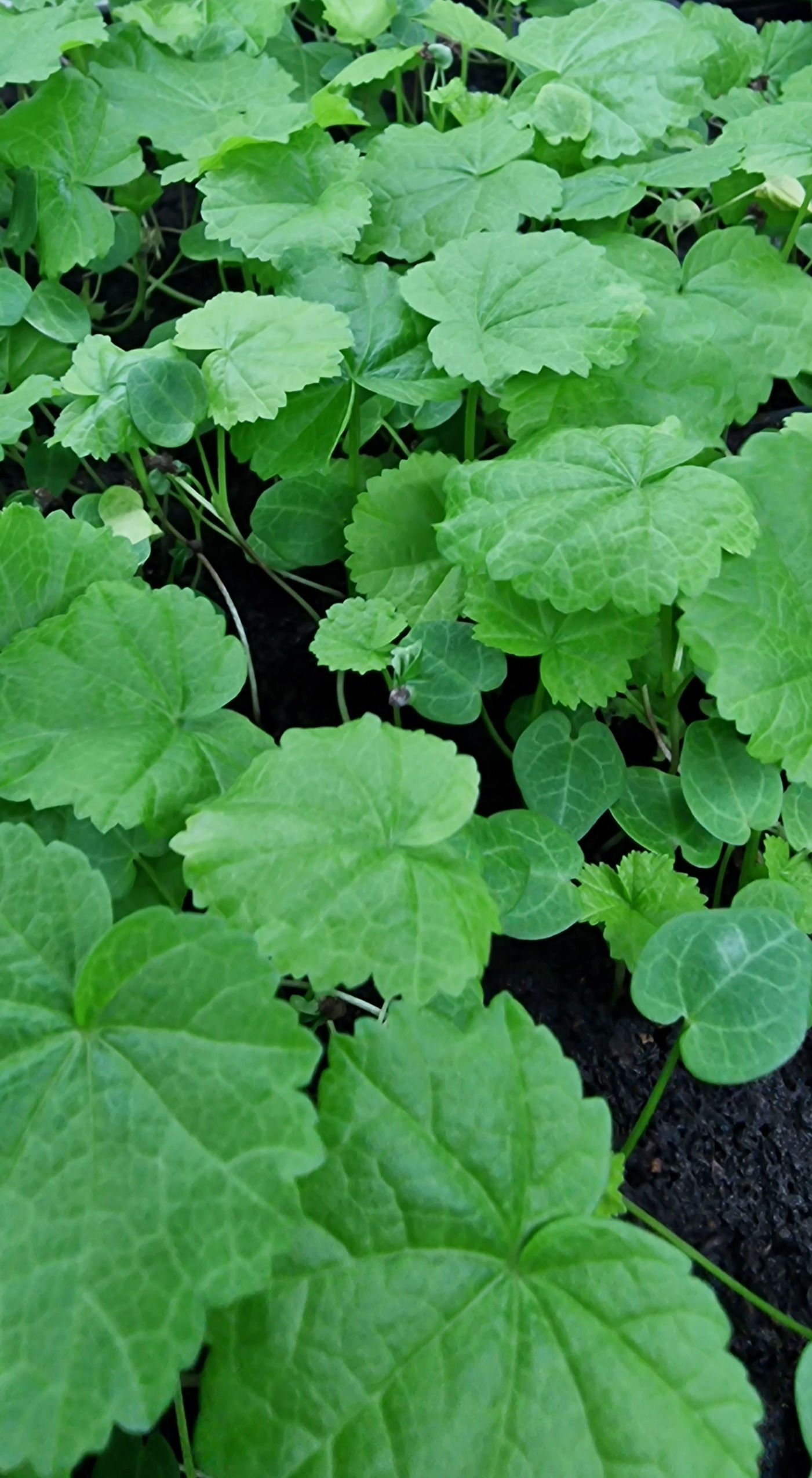

Malva microgreens, derived from the common mallow plant (Malva neglecta), have distinctive characteristics in terms of texture, taste, uses in cooking, and nutritional values.
Texture:
Malva microgreens typically have tender, delicate, and succulent leaves. The texture is crisp, and the stems are often tender and not woody.
Taste:
The flavor of Malva microgreens is mild and slightly tangy, with hints of nuttiness. The taste can be compared to a combination of spinach and arugula but milder.
Uses in Cooking:
Malva microgreens are versatile and can be used in various culinary applications. Some common uses include:
Salads: Toss Malva microgreens into salads to add a mild, fresh flavor and a crisp texture.
Sandwiches: Use Malva microgreens as a sandwich topping to enhance the overall taste and nutrition.
Garnish: Sprinkle Malva microgreens on soups, stews, or other dishes as a decorative and flavorful garnish.
Smoothies: Incorporate Malva microgreens into smoothies for an extra nutrient boost.
Nutritional Values:
Malva microgreens are packed with nutrients, and their nutritional content can vary slightly depending on factors such as growing conditions. Generally, microgreens are known to be rich in:
Vitamins: Malva microgreens contain vitamins such as vitamin C, vitamin K, and various B vitamins.
Minerals: They provide essential minerals like potassium, iron, and calcium.
Antioxidants: Microgreens, including Malva, are known for their antioxidant properties, which can help combat oxidative stress in the body.
Fiber: Malva microgreens contribute dietary fiber, promoting digestive health.
Protein: While microgreens are not a significant source of protein, they do contain some, making them a good addition to a balanced diet.